


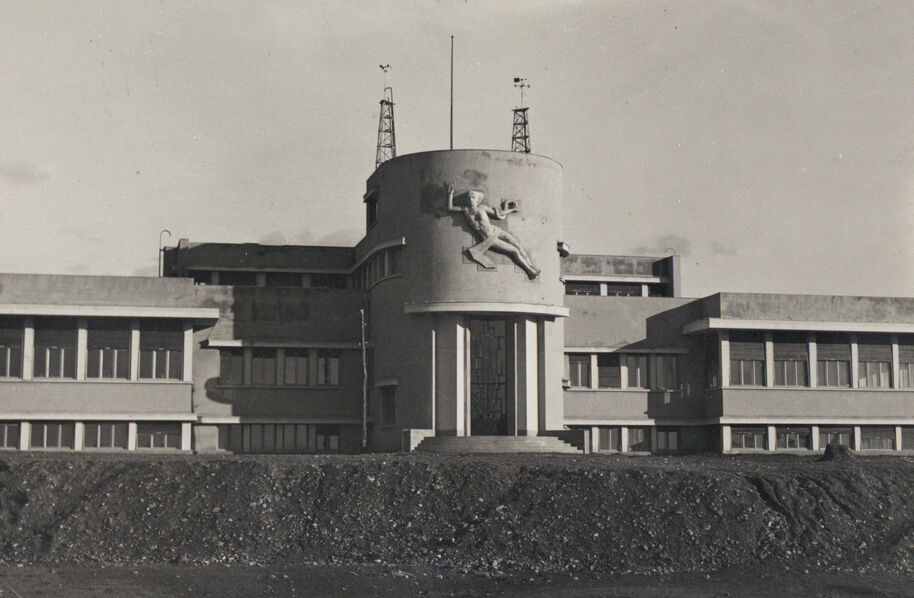
With the proclamation of the Republic, Ankara became not only the capital where political decisions were made, but also a center where modern health policies were developed. For the new state born in the shadow of wars, epidemics, and poverty, health was one of the fundamental pillars of development. In this context, the Institute of Public Health, established in 1928, became one of the most important symbols of Ankara’s health memory.
The Capital Ankara and the Rise of Healthcare Institutions
Ankara becoming the capital city also signified a new beginning in the field of health. In the early years of the Republic, modern health institutions opened one after another in the capital:
- Numune Hospital (1924) began operating as one of the Republic’s first modern state hospitals.
- Health centers and public health centers offered a model managed from Ankara for the spread of preventive medicine to rural areas.
- Ankara University Faculty of Medicine (1945) became one of Türkiye’s most established medical education institutions, not only training doctors but also becoming a hub for scientific research.
These institutions quickly transformed Ankara from merely an administrative center into the country’s healthcare hub.
Hıfzıssıhha Institute: The Republic’s Health Fortress
Established in Ankara in 1928, the Hıfzıssıhha Institute represented the Republic’s scientific vision in the field of public health. The Institute’s duties included vaccine and serum production, laboratory research, combating epidemic diseases, and developing public health policies.
Technology and Production
The institute was equipped with the most advanced laboratory devices of the era. Together with its microbiology, virology, and pharmacology units, it enabled modern scientific research to be conducted.
- With the production of smallpox vaccines, smallpox was brought under control in Türkiye.
- Rabies vaccines increased public safety in rural areas.
- Diphtheria, pertussis, and typhoid vaccines played a critical role in reducing child and adult mortality.
- The BCG vaccine was a turning point in the fight against tuberculosis.
Global Contributions
This institute in Ankara contributed not only to Türkiye but also to different regions of the world.
- Vaccines and serum support were provided for cholera epidemics in Egypt.
- Serums produced for plague epidemics in China were delivered.
- Regular vaccine aid was provided to the Balkans and Middle Eastern countries.
These examples show that Ankara’s health production has transcended borders and had a regional and global impact.
The Continuity of Ankara’s Health Identity
Together with the Institute of Public Health and other institutions, Ankara has been the health center of Türkiye since the early years of the Republic. The scientists and health professionals who grew up during this process took on responsibilities not only at the national level but also on international platforms.
Today, Ankara continues to fulfill this role:
- Large-scale city hospitals,
- Biotechnology and research centers,
- Thanks to its internationally recognized medical schools, the capital represents the continuity of Türkiye’s health heritage.
From the founding of the Republic, Ankara was conceived not only as the political capital but also as the capital of health and science. The Hıfzıssıhha Institute was the most concrete symbol of this vision. With its vaccine production, national and international missions, and modern technology, it brought healing to the world from Ankara.
With the faculties established, hospitals opened, and research institutions founded, Ankara’s identity as a center of health continues to grow stronger. This continuity is the most valuable element carrying the Republic’s healthcare legacy into the future through the capital city of Ankara.
