


Due to its geographical location, Anatolia has historically been both a crossroads of civilizations and a center for the transmission of knowledge. From the earliest examples of agriculture to the advent of writing, from astronomy to medicine, numerous innovations were born on this land and became part of human heritage.
When examining the history of health and medicine, it is evident that Anatolia has had an impact not only locally but also globally in this field.
This article aims to examine the health and medical heritage of Anatolia in broad terms and to relate the knowledge accumulated in the past to the modern health vision of today’s Türkiye.
Early Pursuits of Healing
The Hittites emerge as a significant civilization in the early history of Anatolian health and healing practices. Living between 1650 and 1200 BCE, they developed medical practices that combined observations of nature with religious rituals. It is possible to find records of anatomy and healing methods on cuneiform tablets. Herbal mixtures and animal substances were elements that shaped their understanding of health.
Following the Hittites, the Phrygians, who established a strong presence in Anatolia during the 8th–7th centuries BCE, emphasized the use of natural resources and incorporated herbal products into daily life. Across the timeline from the Hittites to the Phrygians and other contemporary communities, it is evident that healing practices developed on a foundation nourished by nature and reinforced by spiritual beliefs.
Two Great Physicians of Antiquity: Hippocrates and Galen
Hippocrates and Galen hold a special place among the important figures who changed the course of medical history. Hippocrates, who lived between 460 and 370 BC and is referred to as the “father of medicine,” separated medicine from magical rituals by putting forward the idea that “diseases are caused by nature.” With his students practicing in Western Anatolian cities, he pioneered the development of a rational understanding of medicine based on reason and observation in these lands. This intellectual legacy was further advanced by the work of Galen, born in Pergamon between 129 and 200 AD, in the fields of anatomy, pharmacology, and physiology. This paved the way for him to leave his mark on world medical history as one of the most important physicians of the Roman Empire. The fact that Galen’s works were taught as fundamental sources for a long time in both the Islamic world and Europe demonstrates that Anatolia played a decisive role not only locally but also on a universal scale in the history of health.
The Roman and Byzantine Periods
The Roman and Byzantine eras represent the most evident continuity in Anatolia’s healthcare heritage. During the Roman Empire, Anatolia emerged as a prominent health center renowned for its healing waters and thermal baths. Sites such as Hierapolis (Pamukkale), Allianoi, and the thermal baths around Ankara–Afyon were utilized both for therapeutic purposes and as integral parts of social life. Roman baths, with their hot and cold pools and exercise areas, functioned as the “healthy living complexes” of the era. This culture continued into the Byzantine period and became even more institutionalized. The thermal baths in and around Istanbul became a frequent destination for both the public and the emperors. Furthermore, Byzantium laid the foundations for the modern hospital institution. Structures such as the Pantokrator Monastery Hospital were divided into sections according to areas of expertise, and doctors worked systematically there. Famous physicians of the period passed on medical knowledge to future generations through encyclopedias and other works. The bath culture inherited from Rome retained its social and curative function in Byzantium. Thus, the tradition of healing water and institutional health services continued in Anatolia.
Seljuk and Ottoman Periods
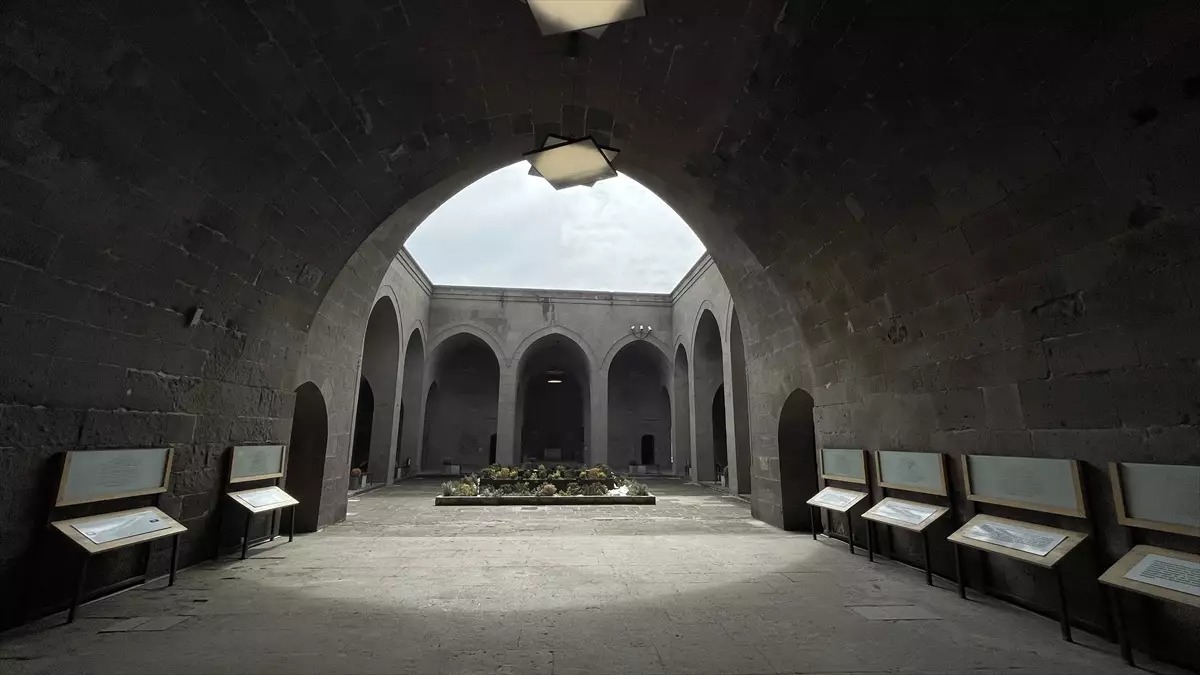
During the Seljuk and Ottoman periods, Anatolia’s health heritage was elevated to a more institutional and systematic level. The Seljuks and other principalities that followed them organized hospitals, which they called darüşşifas (hospitals), not only as places of treatment but also as educational institutions. Medical lessons were given, particularly in Kayseri, Divriği, and Amasya, and spiritual treatment methods using music and the sound of water were applied. This approach reflects a holistic understanding that addresses both physical and mental health.
The Ottomans continued this tradition by integrating healthcare institutions into külliyes(complexes of social and religious buildings). This ensured that health services reached large segments of society. The use of music for therapeutic purposes in mental health and the institutionalization of education in medical madrasas were notable features of the Ottoman period. Furthermore, the determination of health policies by a central authority in state administration ensured that health services were carried out in a more planned and inclusive manner.
During both of these periods, Anatolia produced the most advanced examples of health culture, both scientifically and socially, and passed this heritage on to subsequent generations.
Republican Era
When the new Republic of Türkiye was established, healthcare became one of the state’s top priorities, and significant investments were made in this area. Large-scale campaigns were organized to deal with epidemics that threatened public health, and preventive medicine was strengthened with health teams visiting villages. Modern medical schools, nursing, and pharmacy departments were opened to bring health education in line with the requirements of the era. At the same time, health centers were established in rural areas and services were expanded. The vaccine and serum production, epidemic control, and laboratory research of Hıfzıssıhha, which began operating in 1928, became symbols of the Republic’s scientific health vision. Thus, the new Türkiye both modernized the health sector and carried Anatolia’s millennia-old healing heritage into the future with a contemporary structure.
The Health Vision of Modern Türkiye
Today, Türkiye’s health vision has evolved into a model based on advanced technology that brings the healthcare concepts of the future into the present. With its well-equipped hospitals, artificial intelligence-supported smart systems, robotic surgery applications, and digital healthcare solutions, Türkiye has now risen to become a healthcare center not only on a regional but also on a global scale. Successful results achieved in critical areas such as organ transplants, heart and vascular surgery, and advanced oncological treatments demonstrate the country’s strong structure in both producing and effectively using medical technologies.
Türkiye is also one of the world’s leading destinations for medical tourism. In addition to serving millions of patients internationally in areas such as cosmetic surgery, dental treatment, and hair transplantation, it also provides a unique healing experience by combining thermal tourism and the tradition of healing waters with modern medicine. This vision, which blends high technology with historical heritage, has made Türkiye a center that produces both treatment services and healthcare technologies, preferred confidently by people from all over the world. Today, Türkiye is opening new horizons in the healthcare sector on a global scale, not only as a country that treats diseases but also as one that shapes the future of medicine.
Result: Thousands of Years of Continuity
Anatolia has produced an uninterrupted legacy of health and medicine, from the herbal recipes of the Hittites to the healing practices of the Phrygians; from Hippocrates’ rational approach to Galen’s scientific legacy; from Roman baths to Byzantine hospitals; from Seljuk darüşşifas to Ottoman complexes; and from the health reforms of the Republic to today’s high-tech hospitals.
Türkiye’s representation at the Global Health Exhibition provides an opportunity to showcase not only its modern healthcare achievements but also the contributions this deep-rooted heritage has made to universal human history. Anatolia’s wisdom of healing continues to guide humanity’s future in the light of contemporary science.
